The Orthodoxy He Walked Into
By the early 1990s, long-distance walking had a settled idea of what responsible preparation looked like. An external-frame pack — the kind that had been standard since the 1950s — went onto your back loaded with a canvas or nylon tent, a sleeping bag rated well below the temperatures you expected to encounter, a stove and enough fuel to cook every meal, waterproof jacket and trousers, leather boots broken in over months, and enough spare clothing to handle every foreseeable condition. Add food, water and a first-aid kit and the total told the story: base weights of fifteen to twenty kilograms were routine, and the industry had built itself around making that weight bearable rather than questioning whether it needed to be carried at all.
The Appalachian Trail Conservancy published guidance that took this equipment list largely for granted. The Pacific Crest Trail Association offered similar assumptions. Gear manufacturers had a commercial interest in the status quo, and the hiking press, which lived on their advertising, had little incentive to challenge it. The result was a kind of collective inertia: experienced walkers questioned the brand of boot, not the category.
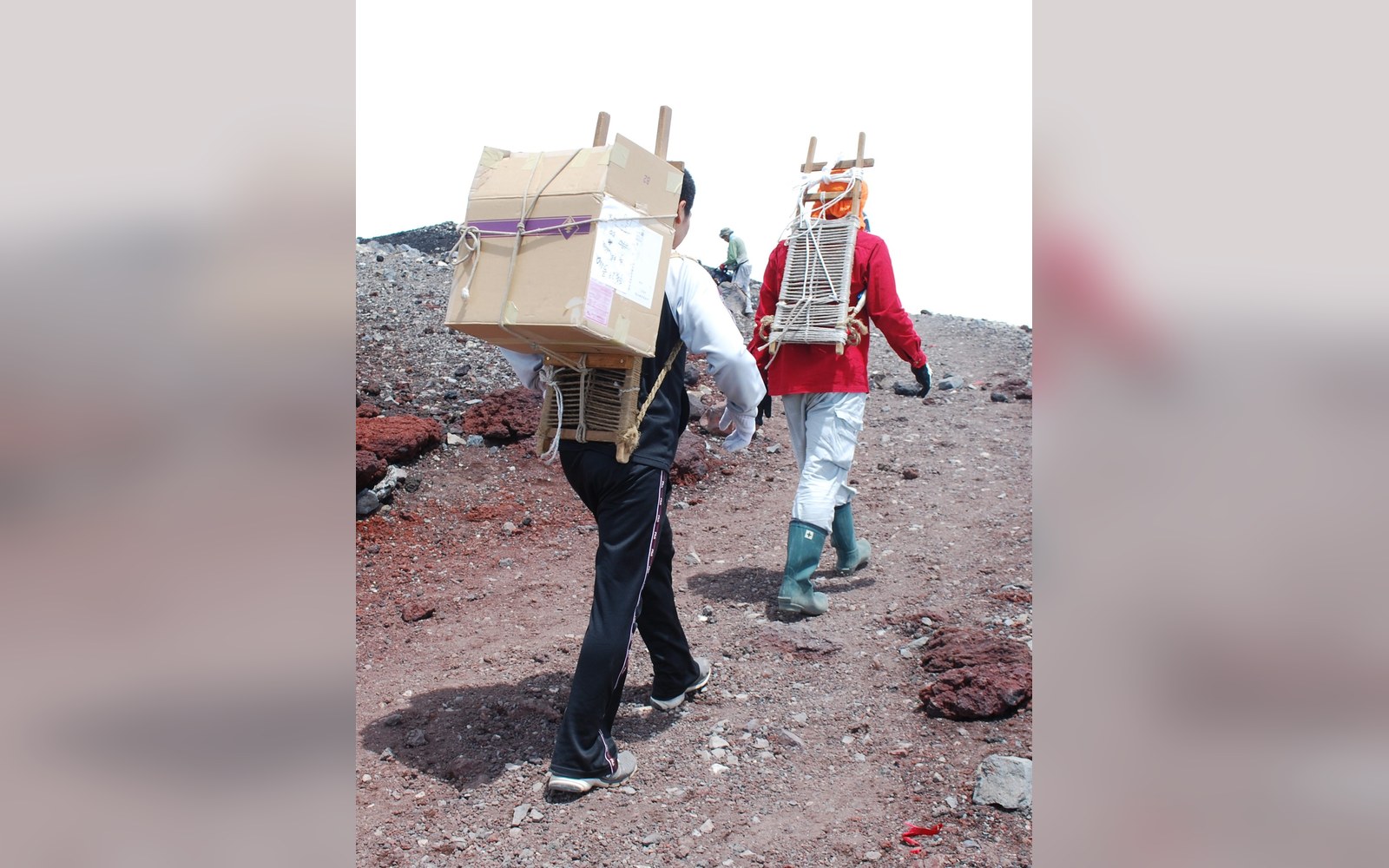
Shoiko external-frame loads carried on Mount Fuji, Japan. Discussed in What a 1970s pack actually weighed.
Photo: External frame packs,Shoiko,Mt.Fuji,Japan · Wikimedia Commons
The Argument
Ray Jardine had walked the Pacific Crest Trail and returned to the question of load with an engineer's disposition — he had worked in aerospace — and a willingness to treat the received wisdom as a hypothesis rather than a fact. His conclusions, which he first circulated in detail through a self-published book called Beyond Backpacking (1999, later revised as Trail Life), amounted to a systematic demolition of the standard pack.
The core of his argument was methodological: every item should be assumed unnecessary until it demonstrated otherwise. This inverted the conventional approach, in which items were included by default and only removed when their redundancy became obvious. Applied consistently, the method produced base weights — the weight of pack contents excluding food, water and fuel — that fell below five kilograms. Against the fifteen-to-twenty-kilogram loads that were ordinary at the time, this was not a refinement but a structural break.
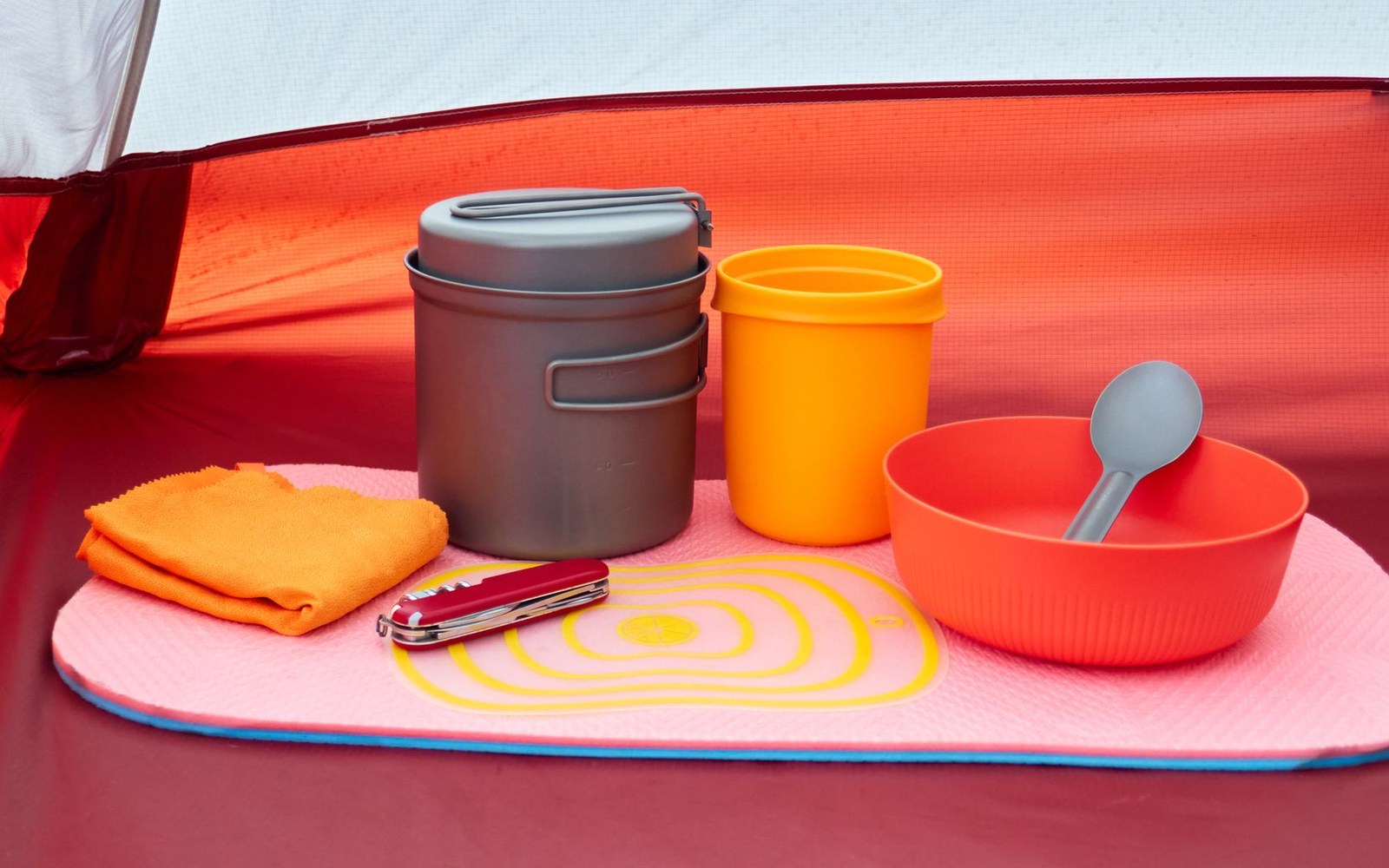
The specific conclusions Jardine reached followed from the logic. Leather boots, which took weeks to break in and weighed upwards of a kilogram each, could be replaced by light trail-running shoes, since the additional ankle support of a boot proved to matter far less on a maintained trail than common sense suggested. A tent with a full pole structure and bathtub floor could be replaced by a tarp or a simple tarp-tent, saving close to two kilograms and requiring the walker to engage more actively with campsite selection. A sleeping bag could be matched precisely to expected conditions rather than over-specified against catastrophe, and worn sleeping clothing could contribute to warmth without counting as separate weight. A stove was optional: cold food was nutritionally identical to hot food, and removing the stove, fuel canister and cooking pot eliminated another kilogram or so.
Needle, thread and patching kit.
Photo: Eleonora Vokueva / Pexels
Dyneema composite fabric, the material that would later allow pack makers to build sub-kilogram load-carriers, was not yet in wide commercial use when Jardine was developing these ideas, and he sewed his own quilts, tarps and packs from lighter materials than the industry standard. The act of making your own gear — cuben-fibre products came later — was itself part of the argument: if no manufacturer offered the weight you needed, you made it yourself.
Chronology
- Early 1990sJardine develops and refines ultralight approach while walking long trails
- 1999Beyond Backpacking self-published; argument reaches a wider readership
- Later revised as Trail Life; cottage ultralight industry begins to grow
- 2000sinternet forums spread ultralight practice; small specialist manufacturers emerge
- 2010smajor mainstream retailers begin stocking ultralight-specification gear as standard range
What Resisted and What Gave Way
The resistance was immediate and, in some quarters, fierce. Critics argued that Jardine's system required a level of skill and experience that most walkers did not possess, and that reducing margin this aggressively made the consequences of bad weather, injury or route error much more severe. These were serious objections and they were not entirely wrong: an ultralight system — the term that came to describe the practice — requires more judgement from the walker precisely because it removes much of the equipment that had previously substituted for judgement. A light tarp pitched badly offers less protection than a heavy tent pitched carelessly; a light sleeping bag rated to ten degrees Celsius provides no margin if you camp at nine hundred metres in unexpected rain.
What gave way was the assumption that the twenty-kilogram load was the responsible default. Completion rates for long thru-hikes had always suggested that fatigue and injury, not inadequate equipment, ended most attempts. The research base was thin, but the anecdotal record from the Appalachian Trail — where Earl Shaffer had walked in 1948 with far less than the 1990s consensus required, and where Emma Gatewood had walked in 1955 with a denim sack — already implied that the standard load included a great deal of insurance against contingencies that rarely arrived.
Jardine's argument arrived at the right cultural moment. The late 1990s internet allowed a small, geographically scattered community of walkers experimenting with light loads to find one another, compare methods and collectively refine the practice. Websites and forums built around ultralight walking became the channel through which the ideas spread, and a cottage industry emerged — small manufacturers, some of them one-person operations, making gear to specifications that the major brands were too committed to their existing lines to attempt. The major brands eventually followed, and by the 2010s a mainstream hiking retailer's floor contained options that would have been exotic in 1999.
The act of making your own gear — cuben-fibre products came later — was itself part of the argument: if no manufacturer offered the weight you needed, you made it yourself.
What Changed
The clearest measure of the shift is not the proliferation of ultralight products but the normalisation of base weight as a figure that serious walkers discuss and record. Before Jardine, the concept existed but was not central to how people thought about packing; the question was what to bring, not how much the result weighed. After the argument was absorbed into the culture, base weight became a metric — something to be calculated, compared and improved. Trail registers on the Pacific Crest Trail began to show sub-five-kilogram base weights as an ordinary entry rather than a curiosity. Guidebooks that had listed gear in categories began listing gear in grams.
The intellectual contribution was not any single piece of equipment but the decision to treat load as a variable to be minimised rather than a constant to be managed. That framing, more than the tarp or the trail shoe, is what a quarter-century of subsequent practice has kept.
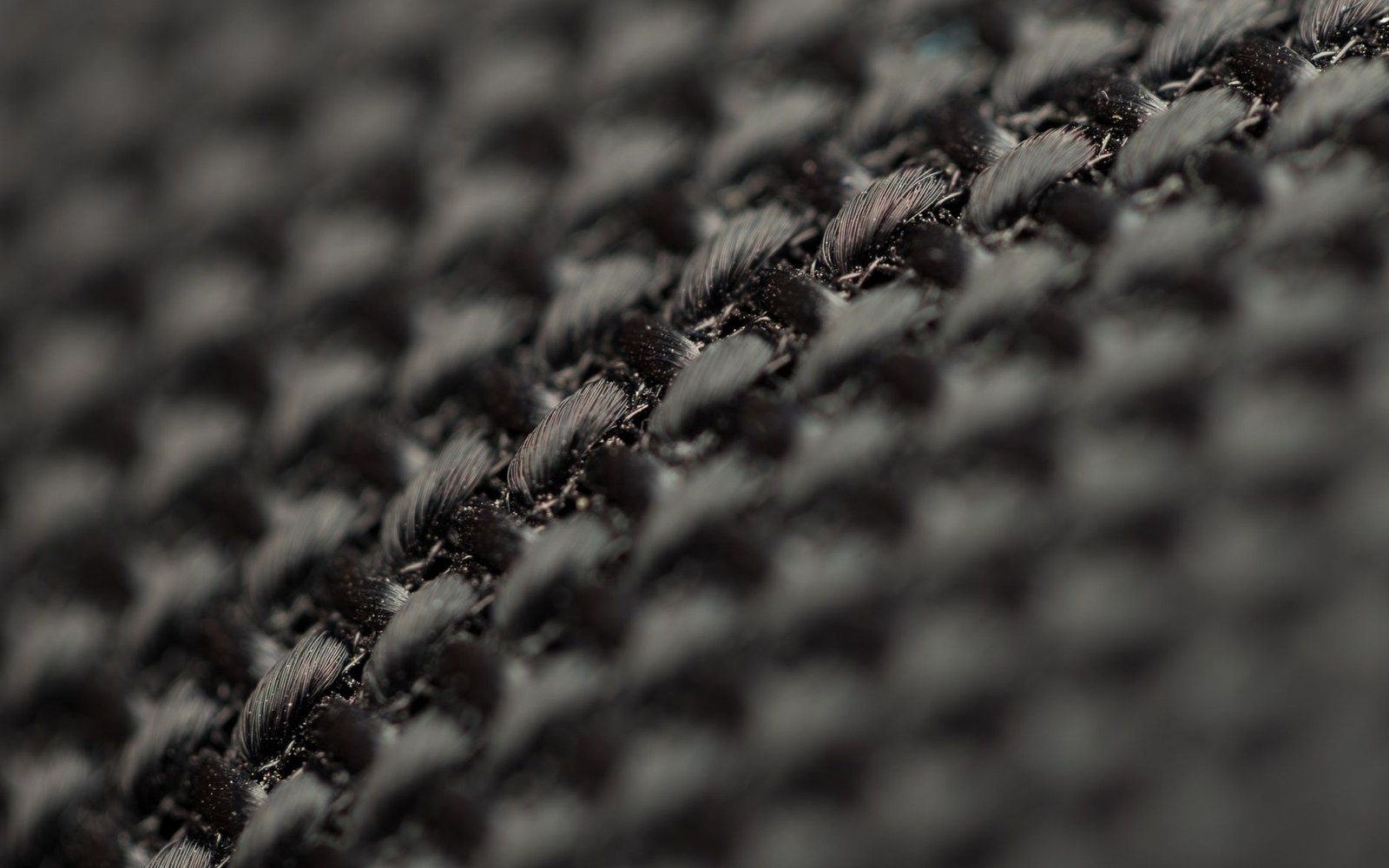
A technical woven fabric at macro range. Discussed in A fabric that changed what a pack could be.
Photo: Matheus Bertelli / Pexels
The weight case
More in Twenty kilos to five