From canvas to composite
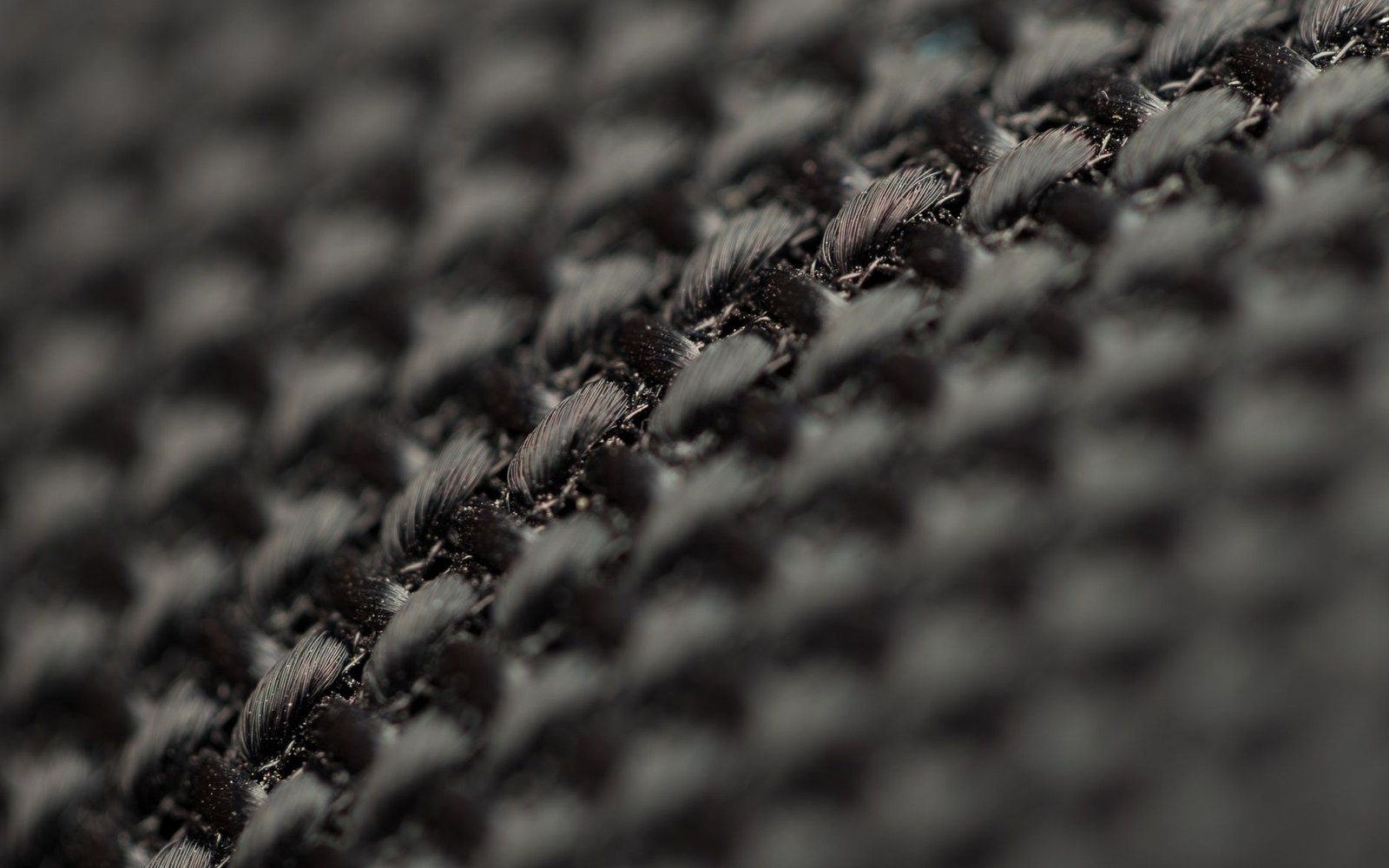
For most of the twentieth century, a rucksack was heavy before anything went into it. Canvas or nylon woven tightly enough to resist abrasion also absorbed water readily, and a pack soaked by a day's rain added a kilogram or more to the load. Waterproofing meant a separate liner or a roll-top dry bag inside the main compartment — another layer, another few hundred grams. The shell of the pack was, in effect, a structural compromise: heavy enough to be durable, thick enough to be treated, and wet enough by afternoon to slow you down regardless.
The change came not from the outdoor industry but from commercial materials science. Dyneema — the brand name for ultra-high-molecular-weight polyethylene fibre, developed by DSM in the Netherlands — had been used in maritime ropes and body armour long before anyone laminated it into a hiking pack. The fibre itself is, by weight, several times stronger than steel, and critically, it does not absorb water at all. What the outdoor industry eventually did was bond a non-woven Dyneema matrix between two thin polyester films to produce what became known as Dyneema Composite Fabric — marketed for years under the trade name Cuben Fiber, a name that stuck in the hiking community long after it was officially retired.
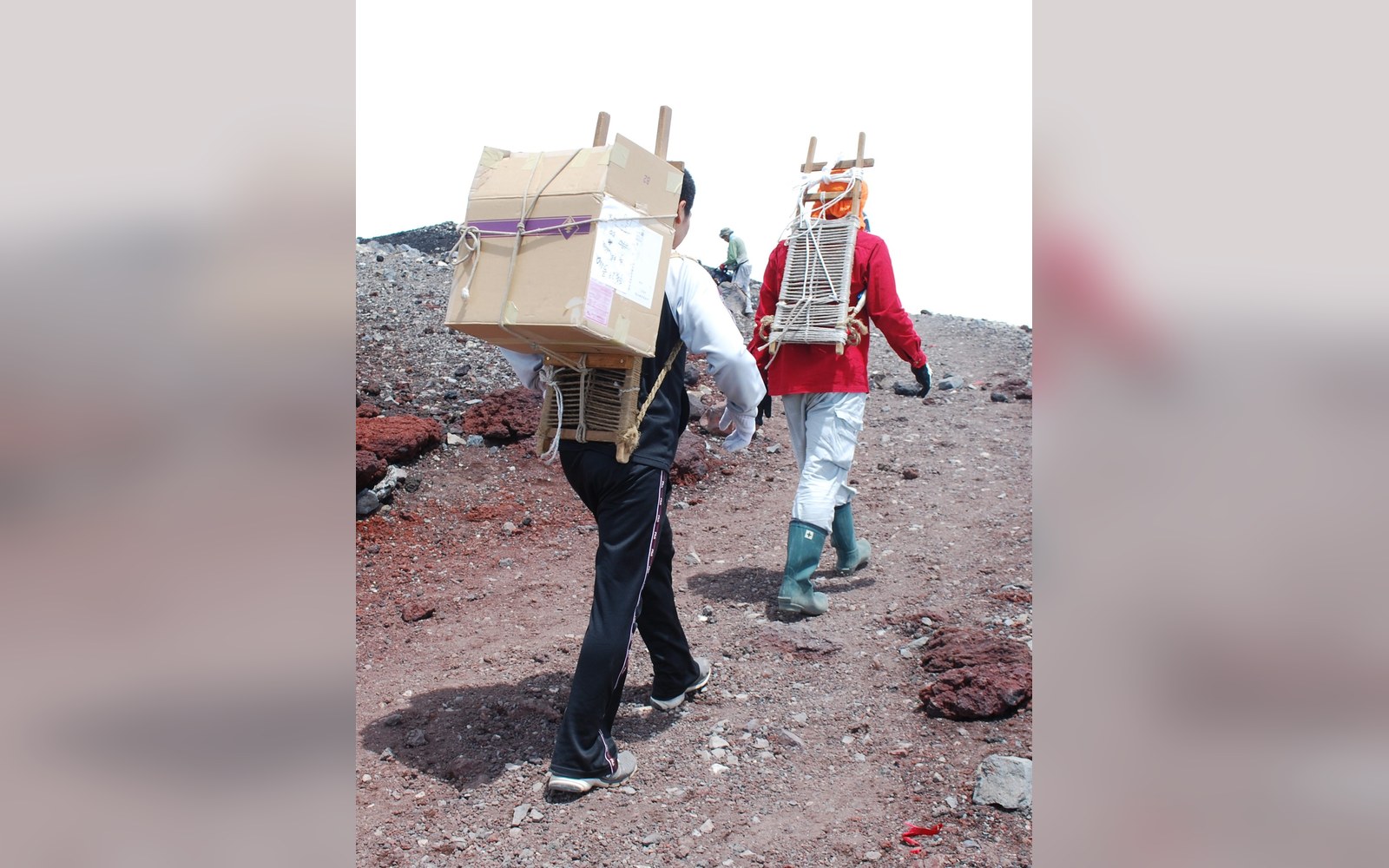
Shoiko external-frame loads carried on Mount Fuji, Japan. Discussed in What a 1970s pack actually weighed.
Photo: External frame packs,Shoiko,Mt.Fuji,Japan · Wikimedia Commons
The practical difference
Dyneema Composite Fabric is typically sold in weights between roughly 30 and 200 grams per square metre. A finished pack made from the lighter end of that range can have a shell weight under 100 grams. Against a conventional nylon pack of equivalent volume, that is not a marginal saving — it is often a reduction of several hundred grams in the pack's unloaded weight, which is precisely the kind of gain that Ray Jardine's ultralight argument in the 1990s had identified as the place to look first: not the items inside the bag, but the bag itself.
The waterproofing effect changed something equally structural. A walker carrying a frameless pack in woven nylon needed a liner for anything that could not get wet, which typically meant a heavy-duty dry bag occupying the whole interior. With a Dyneema Composite shell, the pack's outer wall is already the waterproof membrane. The liner disappears. So does the weight it added, and so does the habit of repacking at the start of each wet morning to ensure the liner was sealed correctly.
The fabric does trade things away. It does not stretch, which means a pack made from it sits against the body differently from a structured nylon one, and poor fit cannot be compensated by the material giving slightly. It is stiffer at low temperatures. It is not meaningfully repairable in the field with standard patches. And it abrades against rough rock faces in a way that woven nylon handles better over time. For a walker doing a single long route, those trade-offs are often acceptable; for a pack expected to last a decade of hard use, they are more significant — a reality the ultralight durability question has documented in some detail.
Chronology
- UHMWPE fibre developed by DSM (Netherlands)from the late 1970s onward, in maritime and defence applications
- Cuben Fiber (the original trade name)adopted by early ultralight makers in the 2000s
- DCF rebrandingDyneema Composite Fabric became the current commercial name in the 2010s
- Frameless DCF packs under 150 gcommercially available from cottage makers through the 2010s; adopted by larger brands subsequently
What it made possible
The more lasting effect was conceptual. Once the waterproof shell and the dry liner were collapsed into one layer, a small, frameless, roll-top pack became genuinely practical in wet conditions — not a fair-weather compromise. That unlocked a style of carry that had been theoretically available since the 1990s but practically limited by wet weight. Frameless packs with a Dyneema shell weighing under 150 grams became commercially available in the 2010s from small specialist makers, several of whom began as individual craftspeople making custom bags for ultralight thru-hikers. The category has since been adopted by larger manufacturers, though the lightest versions remain largely cottage-industry products.
The trail itself did not change. What changed was that the bag on your back stopped being one of the heavier things in it — and that, quietly, changed what the day felt like by the time the afternoon rain arrived.
It does not stretch, which means a pack made from it sits against the body differently from a structured nylon one, and poor fit cannot be compensated by the material giving slightly.
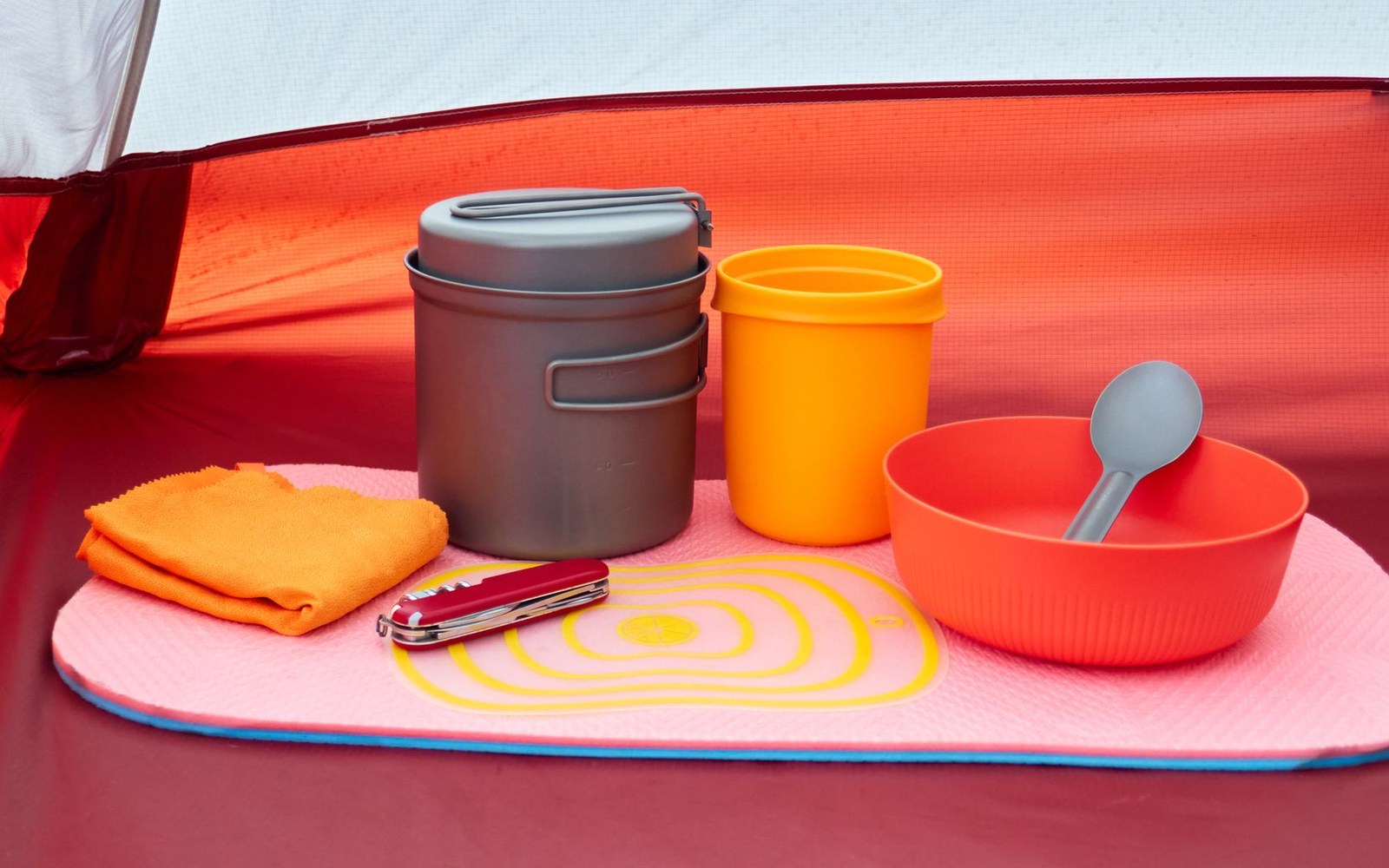
An ultralight cook kit laid out in a tent. Discussed in One walker's argument cut the load by three quarters.
Photo: Mykhailo Petrushchak / Pexels
Weight benchmarks
Needle, thread and patching kit.
Photo: Eleonora Vokueva / Pexels
More in Twenty kilos to five