What the numbers actually say
The Appalachian Trail Conservancy has tracked completion for decades, and the figure it returns to most consistently is roughly one in four: of everyone who sets out with the intention of walking all 2,190 miles (as surveyed by the ATC) end to end in a single season, about 25 percent finish. The number has varied somewhat as the trail has grown more popular — the 2010s brought record permit enquiries and record non-completions — but it has never climbed close to half. On the Pacific Crest Trail, the Pacific Crest Trail Association records a similar pattern: starts have grown steeply since the mid-2000s, and completions have risen in absolute terms, but the completion rate as a share of intentional thru-hikers has stayed stubbornly low.
Those figures come with caveats the managing bodies are careful to note. Not every person who leaves a terminus intends a thru-hike; some plan section hikes from the outset and count themselves successful when they leave. Some stop and return the following year to finish, never appearing in single-season statistics even though they eventually walk every mile. The Appalachian Trail Conservancy's 2,000-Miler register, which records everyone who self-reports completing the full trail regardless of style or timeframe, carries far more names than the single-season count alone would suggest.
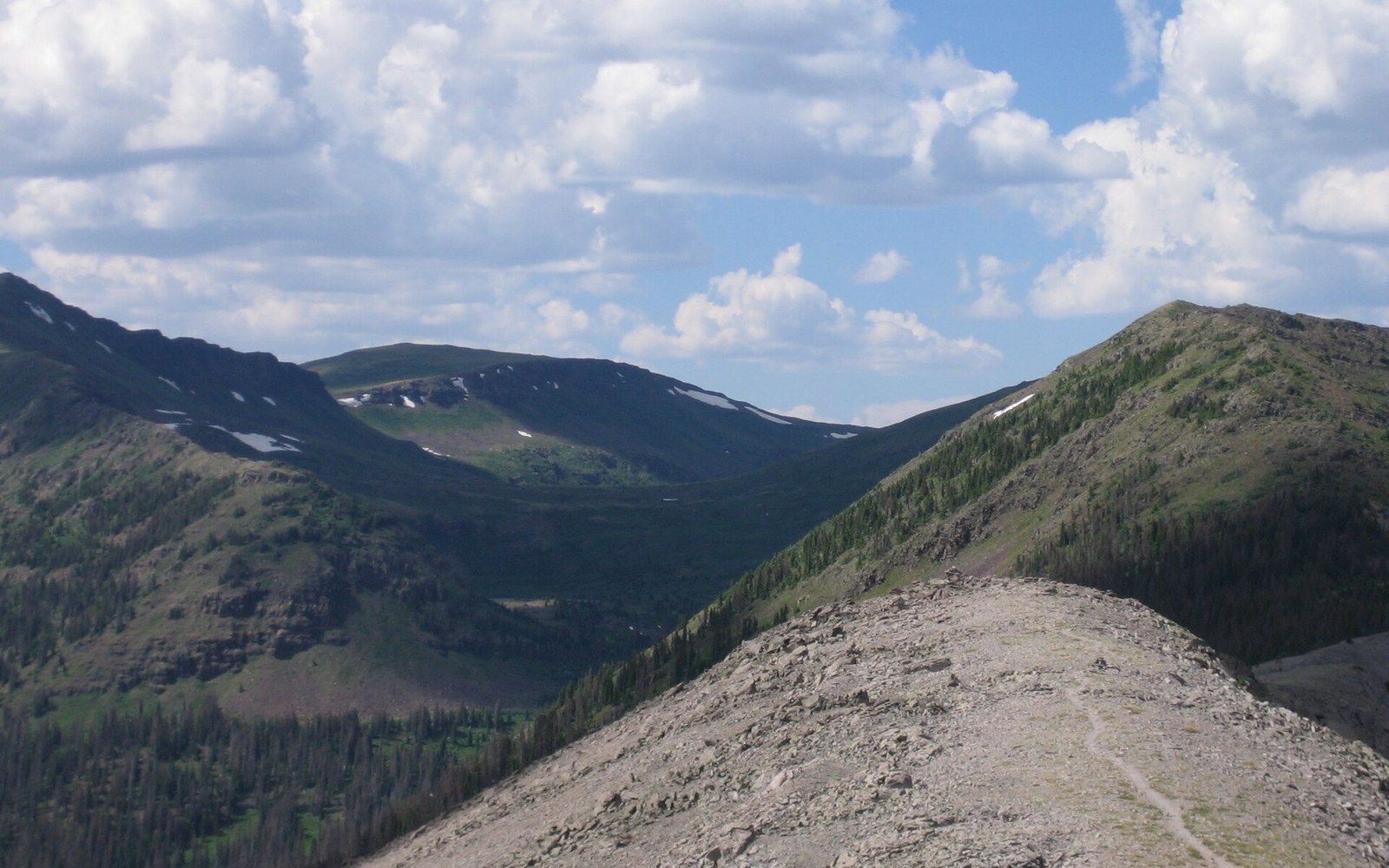
The Continental Divide Trail in the Weminuche Wilderness, Colorado. Discussed in The first reported end-to-end walk, in 1948.
Photo: Continental divide trail in Weminuche Wilderness · Wikimedia Commons
Why people stop
Survey data collected at exit points and by trail organisations consistently returns the same short list of causes. Injury is first: stress fractures, tendinitis and knee problems account for a large share of early departures, particularly in the first three weeks when bodies are adapting to daily mileage their training did not fully replicate. Money is second. A thru-hike of the Appalachian Trail typically takes five to seven months; that is a sustained period without income, and the financial pressure compounds as the weeks pass. Third is time — jobs, family obligations and medical appointments that cannot be deferred indefinitely. Terrain and weather, though they dominate the imaginative picture of why someone might quit, appear well down the list in most surveys.
This ordering matters because it changes what completion actually measures. Finishing a long trail is not primarily a test of physical toughness or navigational skill; it is a test of whether a person had the financial buffer, the schedule flexibility and the physical preparation to sustain months of walking. Earl Shaffer, who reported the first thru-hike of the Appalachian Trail in 1948, was a twenty-nine-year-old veteran with few domestic obligations and a deliberate intent to walk alone and fast. Emma Gatewood, who completed it in 1955 at sixty-seven, had raised eleven children and walked with almost nothing — her completion was extraordinary for reasons that had nothing to do with terrain and everything to do with the life that made her stubborn enough to continue.
Chronology
- 1948Earl Shaffer reports first thru-hike of the Appalachian Trail
- 1955Emma Gatewood completes the AT at age 67
- 2010srecord numbers of thru-hike starts on both AT and PCT; completion rate remains below 30%
The record behind the rate
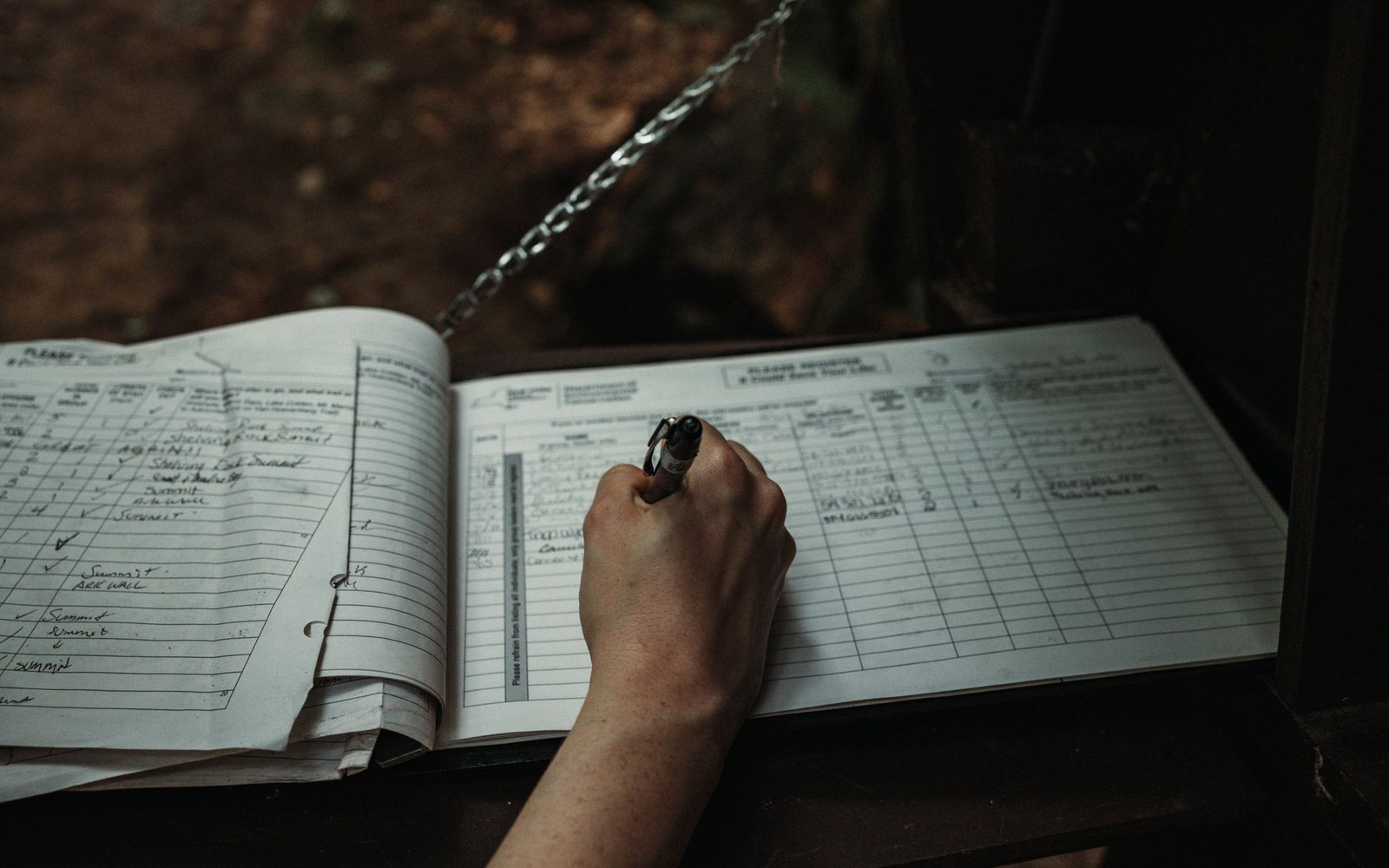
Completion tracking itself has a history. Early walkers self-reported to the Appalachian Trail Conservancy on the honour system, signing a form and submitting it with corroborating notes. Trail registers — the paper logbooks bolted inside ammo cans or tucked into shelter cubbies along the route — became the informal evidence layer, and the frequency of a hiker's entries across the whole trail made a plausible case for continuous progress. Increasingly, GPS track logs and timestamped photographs supplement or replace written entries for record purposes, though the ATC still accepts self-certification for its 2,000-Miler list. What the records have never been able to capture cleanly is the person who stops quietly, packs out to a road, and tells no one — which is, by most accounts, the most common way a thru-hike ends.
The number has varied somewhat as the trail has grown more popular — the 2010s brought record permit enquiries and record non-completions — but it has never climbed close to half.
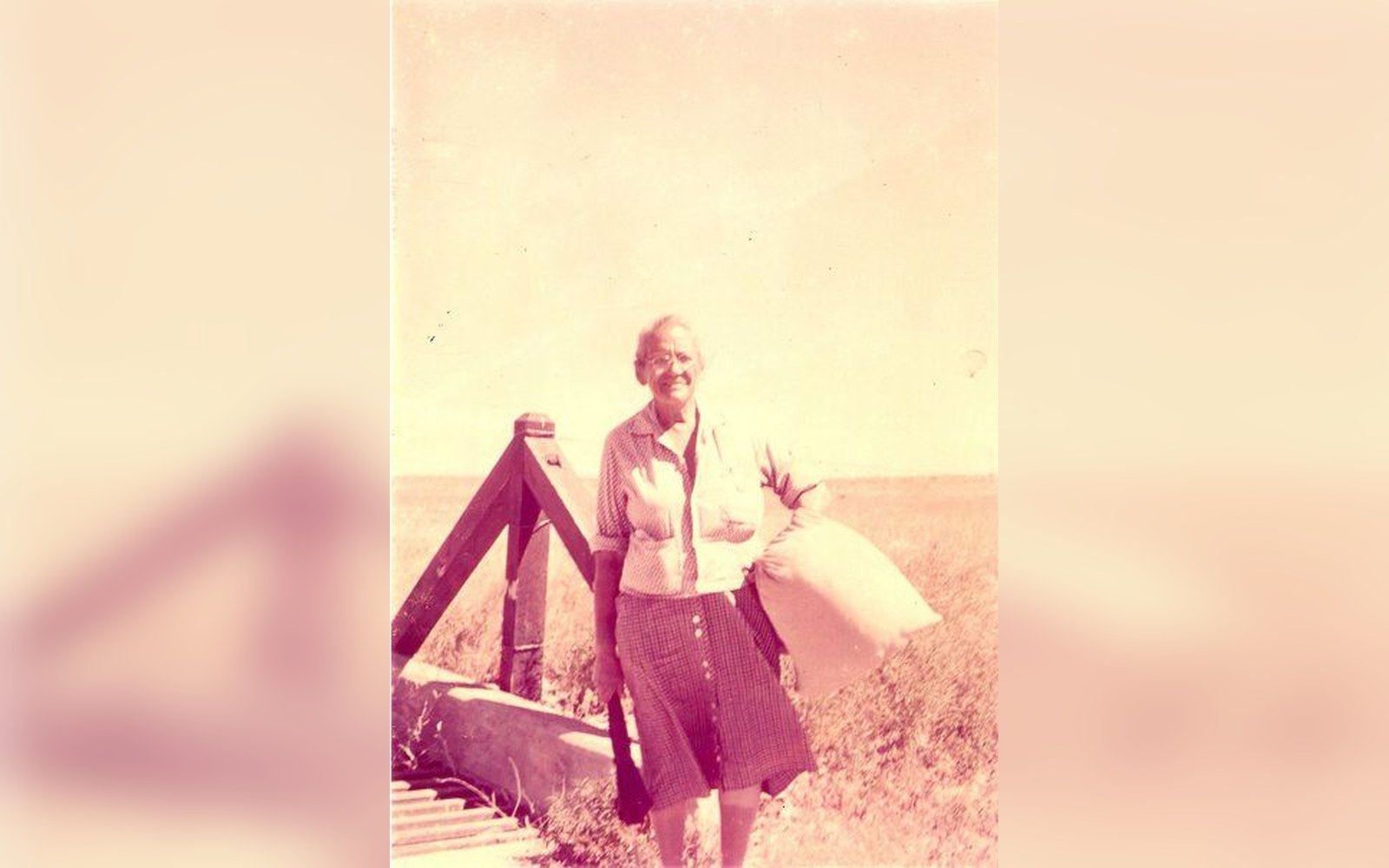
Emma Gatewood with her homemade sack. Discussed in A woman walked it in 1955 in canvas shoes.
Photo: Emma Gatewood 424x604 · Wikimedia Commons
Key figures
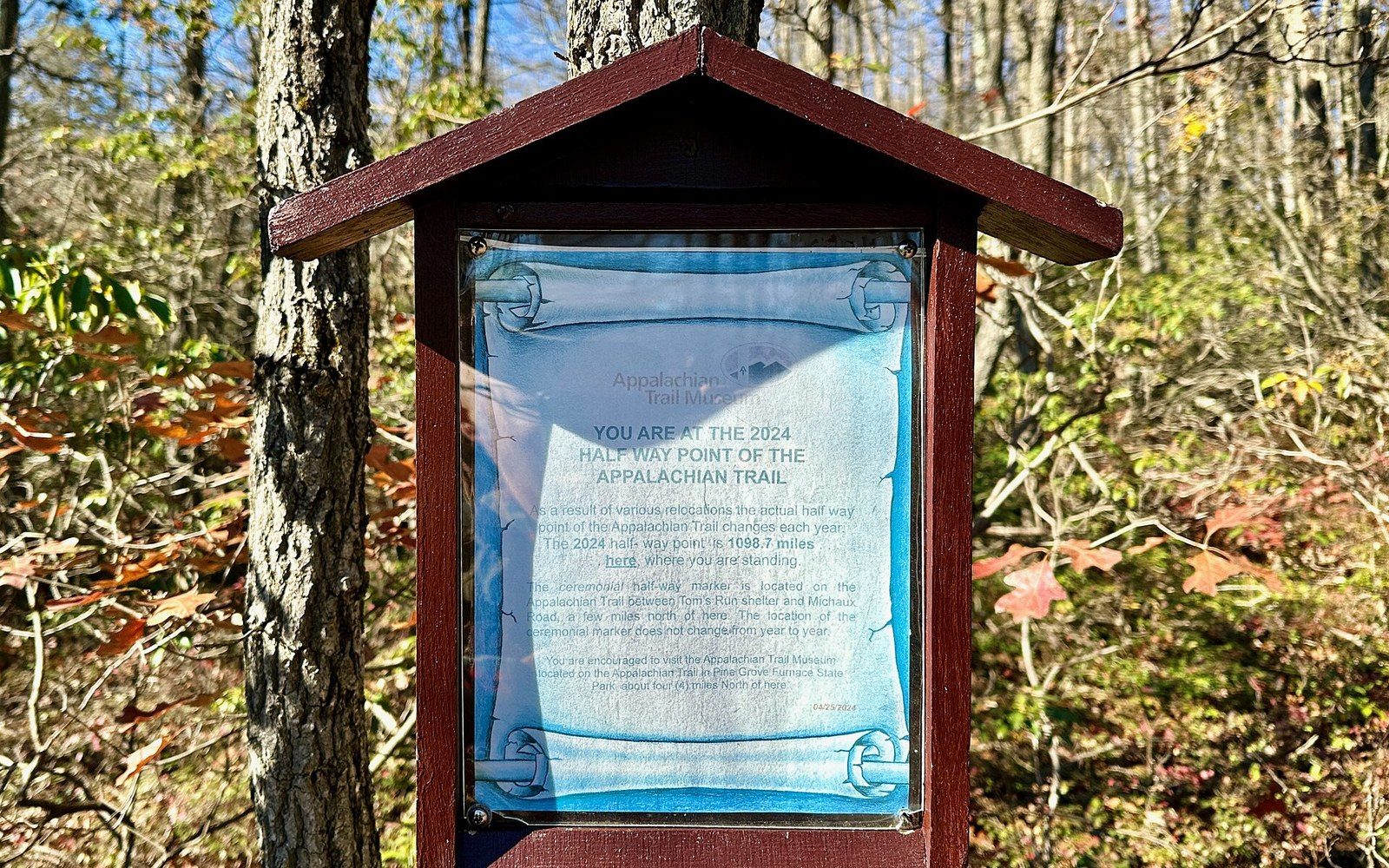
The Appalachian Trail’s 2024 halfway marker, Michaux State Forest, Pennsylvania.
Photo: Appalachian Trail 2024 Halfway Marker, Michaux State Forest, PA · Wikimedia Commons
More in First walks and counted ones